The mission: Improve biodiversity and wildlife via better land management
Our solution: Better land maintenance, creation of wildlife zone and community engagement
The ongoing trial, which began in July 2025, took place at four key locations: Hurstwood Court, Longley Lane, Rosehill HWRC and Sandfold Lane HWRC. Mowing frequency at these sites was significantly reduced to every four weeks to allow plants to flower and insects to thrive, and the team phased out glyphosate herbicide use. Research continues as to the best alternative as a trial of eco-vinegar has proved ineffective so far as it scorched the leaves and didn’t kill the roots. The team is currently exploring a hierarchy of controls, including prevention practices that reduce opportunities for weeds to take root and using mechanical methods like hand weeding, brushing, among others.
To further support wildlife, bug hotels and bird boxes were installed in autumn last year in designated impact zones marked by posts. Staff and visitors were encouraged to participate by recording species sightings using biodiversity apps such as SEEK and iNaturalist. Besides displaying educational signage, the SUEZ team led site tours to reinforce the message and engage people in biodiversity monitoring.
The results: Thriving biodiversity areas supported by an active community
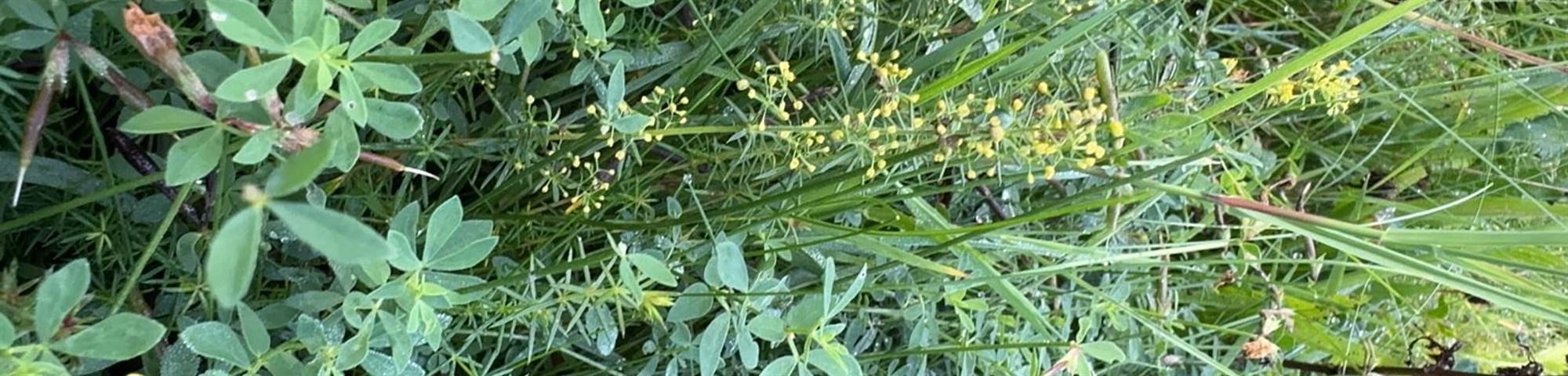
The reduction in mowing transformed previously near-monoculture grasslands into areas teeming with a diverse mix of plants and insects:
- Hurstwood Court recorded 19 plant species (and one insect species) including prickly sowthistle, oregano, white clover and ragwort.
- Longley Lane’s grass areas featured 12 plant species including common yarrow, bull thistle and red deadnettle, and more.
- Rosehill HWRC attracted three beneficial insects like hoverflies and seven-spotted ladybirds, alongside 16 varieties of wildflowers and grass species.
- Sandfold Lane HWRC showed strong plant diversity with 10 species including black medick, creeping buttercup and dandelions.
The project successfully engaged sustainability champions and other staff members, who actively recorded species and helped educate the public on why mowing regimes had been changed. Based on these positive outcomes, SUEZ and GMCA are investigating how this approach could be extended to other sites to allow wildlife to flourish more. Thus far, the 15 bird boxes and 33 bug hotels in the premises have generated approximately £6,217 of social value.
In support of the project, SUEZ now regularly highlight the initiatives happening around the site, such as the bug hotels, bird boxes, reduced mowing areas and pollinator-friendly plantings near the visitor centre.
GMCA runs education sessions and tours of the Longley Lane Materials Recovery Facility (MRF) for local residents. As part of this tour, visitors pass by the biodiversity impact areas, giving the GMCA education team the opportunity to highlight the biodiversity work taking place on site. Adults frequently comment on the unique bin storage area with its ‘living roof’. Each year around 3,000 people visit the site on a GMCA education tour.
Our visitors are always pleased to hear about the ways that the site helps nature and biodiversity and seeing the bug hotels and wildflowers gives them inspiration for actions they can take at home or back at school.Senior Education Officer, GMCA