The mission
Finding a practical, high-value use for premium yacht manufacturing offcuts
Building high-end yachts requires heavy-duty, premium materials. For Sunseeker International Ltd, the challenge was figuring out what to do with the valuable offcuts, the leftover scraps after being cut from a larger piece that has been cut to size. The company already has a strict zero-waste-to-landfill policy for textiles, but standard recycling usually means shredding these beautiful durable materials into low-grade industrial filler.
After teaming up with SUEZ and Arts University Bournemouth (AUB), the partners looked into finding a way to keep these premium materials in use at a high value and training the next generation of designers to think about a product’s end-of-life before they even sketch a concept.
Our solution
Challenging university students to turn factory waste into reusable products
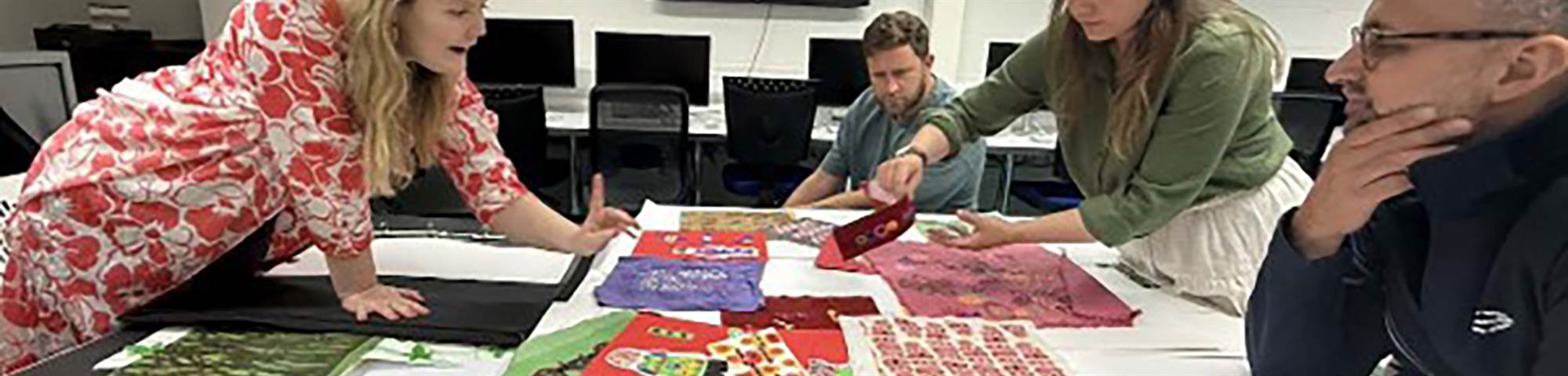
SUEZ created the ‘Designing Textiles for a Zero Waste Future’ brief for 26 second-year BA (Hons) Textile Design students at AUB and launched a live circular challenge as part of the students’ coursework. Sunseeker provided 16 bags of luxury fabric and leather remnants from their operations, with each bag weighing approximately 10 kg, giving the students a total of 160 kg to work with.
The brief was straightforward but tough: turn these offcuts into functional products designed to be reused, taken apart and repurposed. The limitations of working with factory waste forced the students to get creative, using dyeing, etching, laser cutting and embroidery to manipulate the heavy materials instead of relying on traditional design methods.
The results
160kg of luxury offcuts successfully repurposed into functional consumer gear
The project proved that commercial waste can be completely re-engineered. Students successfully diverted the 160kg offcuts into highly practical consumer goods, directly supporting Sunseeker’s zero-waste goals. Some of the creative ideas developed by students include:
- Adaptive childrenswear: One student created ‘Crawlers’, a children’s clothing line with adjustable waistlines and a rucksack that unfolds into a picnic mat. Without traditional materials like yarn, the student mastered new production methods to ensure the clothes endure multiple growth spurts.
- Eco-conscious surf gear: Another student blended yacht offcuts with bio-resin, biodegradable PLA (polylactic acid) and flax seed fabric to create composite surf fins and adaptable board bags that fit both shortboards and longboards.
- Reversible stationery: A third designed a nautical-themed stationery collection, made to be reversible so the aesthetic can grow and mature with the user.
- Modular accessories: Other pitches featured interactive wall hangings that convert into upholstery and leather water bottle holders that evolve into belts or wallets.
Sunseeker representatives attended the final AUB showcases, seeing exactly how operational waste gains a second life. Also worth noting is Sunseeker reuse of leftover fabric pieces to make transport bags, which shows how small changes at work can help reduce the use of single-use plastic.
The project stands out because it combines SUEZ’s expertise in the circular economy, Sunseeker’s material streams and AUB’s creative design, all aimed at evolving toward future uses. It also strengthened industry-education collaboration and gave students practical circular economy design experience, prioritising re-use before recycling and encouraging designers to consider full product lifecycles.
Moving forward, this partnership offers a practical, scalable blueprint for other businesses wanting to reduce waste. Future plans include expanding the programme to more students to increase the diverted waste tonnage, opening up new material streams and exploring commercial uses for these student concepts.
leather offcuts
Projects like this really do exemplify how small meaningful changes today can build a better tomorrow. We’ve been incredibly impressed by the students’ creativity and hope our small contribution will inspire them to lead the way in designing the circular fabric solutions of the future.Sean Dempsey, Environmental and Sustainability Manager, Sunseeker International Ltd